Do you know where your food comes from? Do you know the conditions in which the rice you eat daily was grown? Do you know the names of those who harvested the grains in your pantry? Pragathi Nallasamy started Erode-based GROXE in 2025 to answer the questions you may have never thought to ask.
Pragathi runs two brands: NPPV Organics and GROXE, which is a play on the word ‘groceries’. GROXE is a multivendor platform providing both B2B and B2C services. It connects farmers to customers who can buy the products for their business or for their families. The website has two portals: organic and conventional, allowing consumers to choose between them depending on their needs.
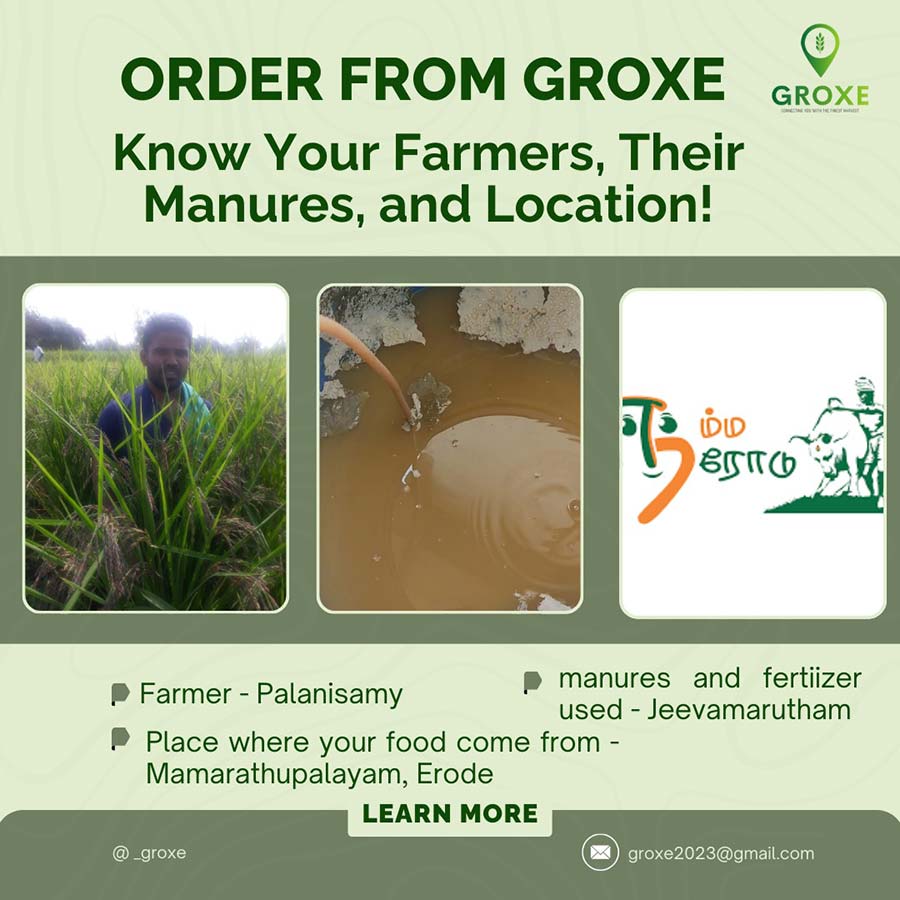
“We guarantee full transparency. We provide information about the farmers, what manures they used to cultivate the particular products, and the consumers have full knowledge of their food’s origins. I graduated with an MCA degree in 2021, and dove headfirst into business. I started NPPV Organics in my last semester, selling fertilisers and organic groceries on Amazon and Flipkart. I had an interest in agriculture and farming, so with that experience in e-commerce, I went ahead with GROXE,” Pragathi reflects.
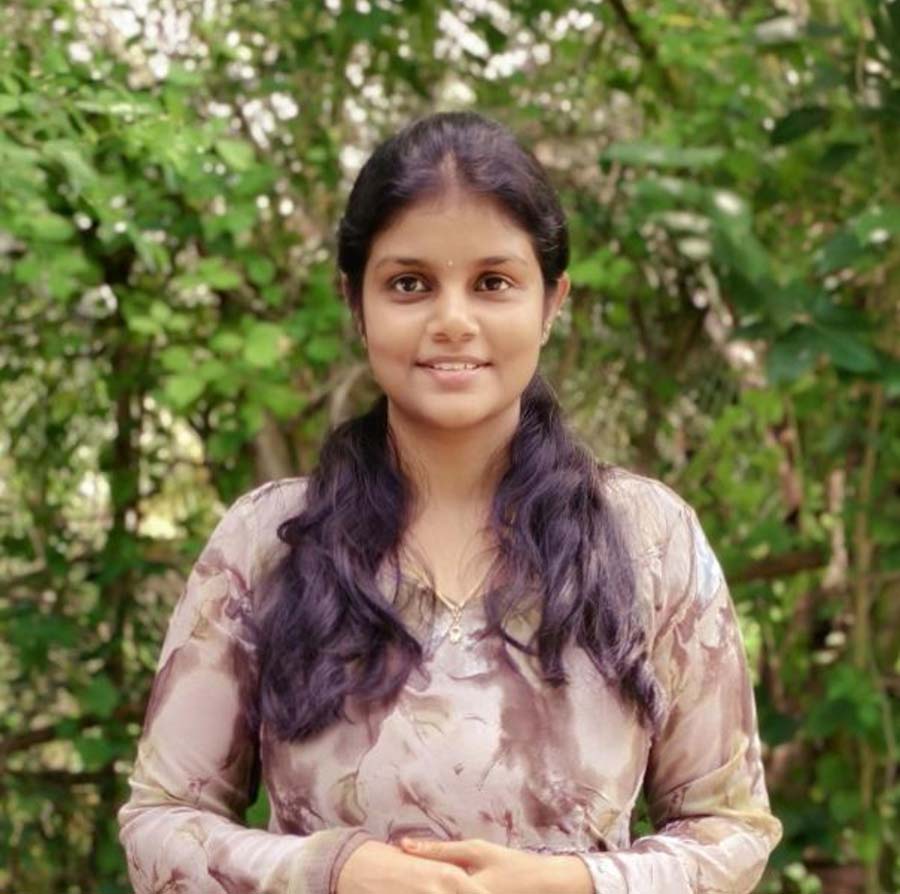
GROXE was recently allotted pre-seed stage funding by Manage CIA in Hyderabad, and in 2024, it was named as one of the top 10 agritech ideas by the same centre. The journey so far hasn’t been without its challenges, especially seeing how young Pragathi was when she began. “One of the main issues from the beginning is the farmers not having access to technological education. Most of the farmers we work with are over 50 and find it hard to understand the technicalities of the platform, but the next generation, who are keen on farming, helps them out. We have groups with all the farmers and the B2B customer base, who we connect with in case of queries,” she explains.
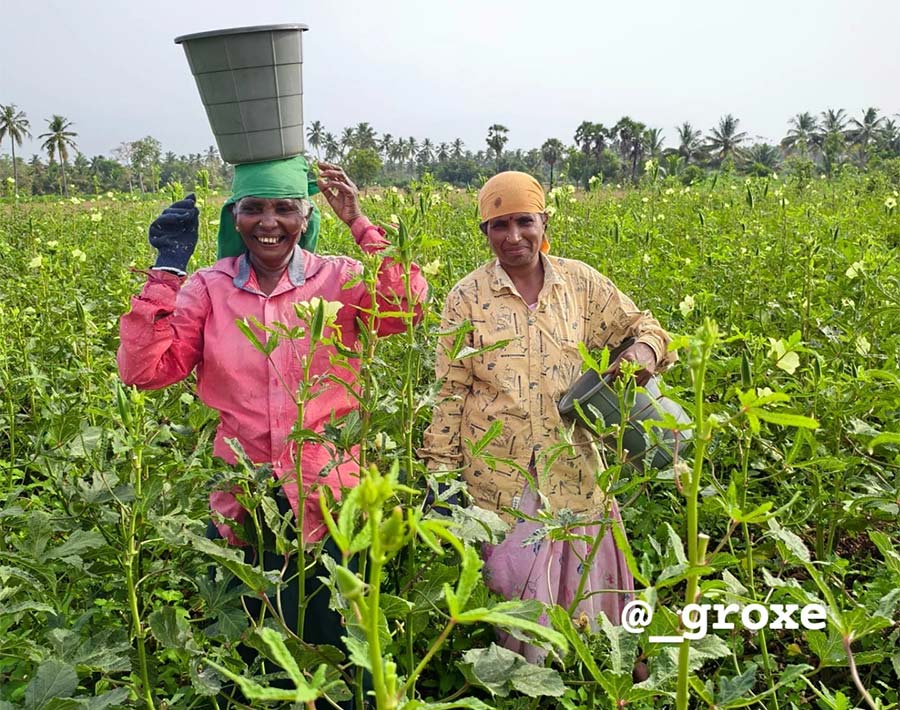
Once the farmers list their products on the website, they have two fulfilment options. The farmers can either ship the products directly to customers or ship them to the GROXE location, where the team ships them on the farmer’s behalf. Pragathi talks about why she started GROXE in the first place. “My main inspiration behind designing this platform was to help struggling farmers. They already struggle to cultivate their crops because of unpredictable weather and other conditions; they shouldn’t have to struggle to make a livelihood. One day, my mother and I went to the grocery store and bought 1 kg of lady’s finger for 40 rupees. The next day, we conducted a survey among farmers. One woman farmer in Namakkal told us how the middleman or reseller bargained and bought 1 kg for just 12 rupees. They find it extremely difficult to sell their products, and when they do, they barely make a profit. My goal is for at least 100 farmers to use our platform, find it easy to sell their harvests, and not give up on farming,” she smiles.
When asked about lessons that she learnt over the past year, she ponders, “I think the biggest thing is, even before the brand grew, I grew as a person, mentally and emotionally. I became a better person; a person who can make things better for those who need help. Coming to the business side of things, I realised that patience and consistency are key. If you have those, anything is possible.”
Standing out in an industry where countless brands give themselves the tagline of being farmer-to-table is hard, certainly, but not too challenging when your USP is transparency. “Most people don’t know this, but a lot of brands purchase their products from random farmers, ones that they don’t have a real connection with, and store everything in their facility. Once they receive the order, they label the product with their brand name and send it. At GROXE, we directly make the farmers businessmen or businesswomen. We empower them to take charge of their inventory and be fully involved in the selling process,” Pragathi says.
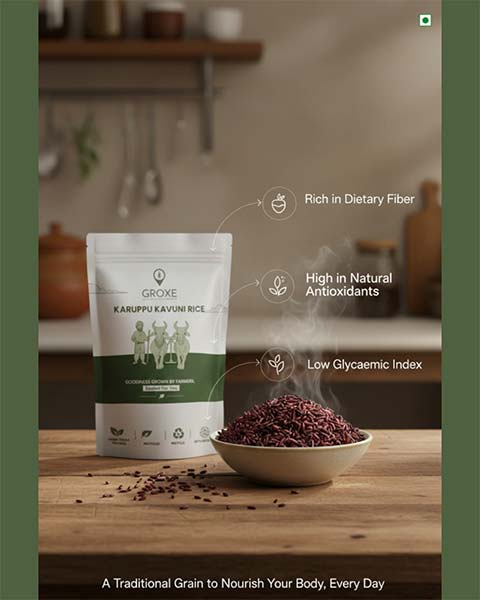
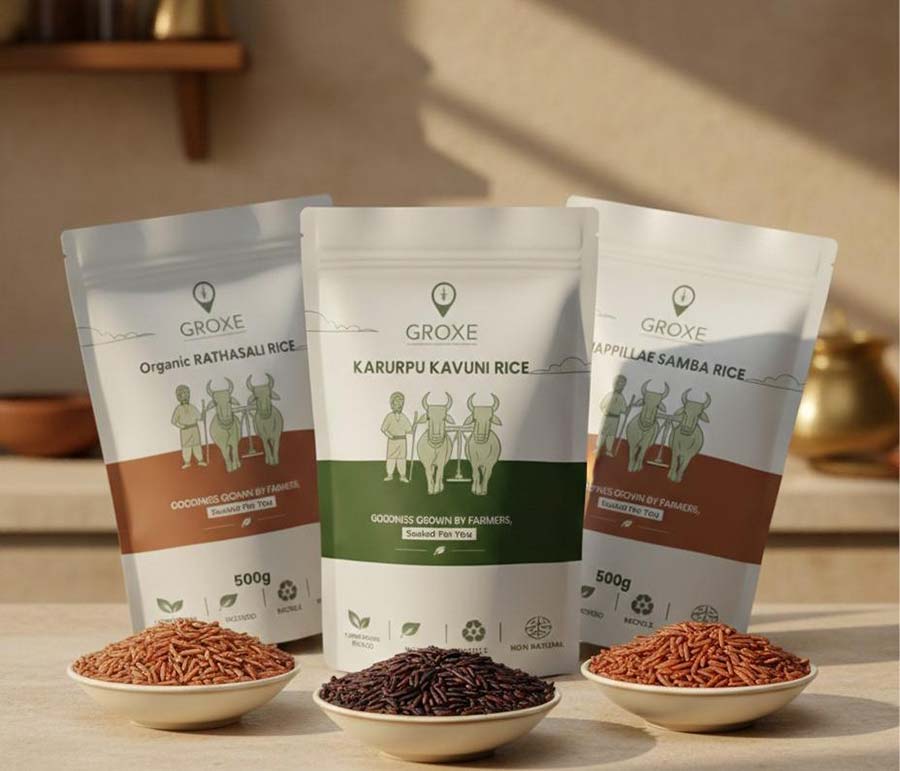
Delving more into the transparency aspect of the brand, Pragathi describes the dire state of today’s world where no one knows the origin of the food they eat on a daily basis. “In cities, most kids aged 5-6 believe that the food they eat comes directly from a grocery store. They don’t know what a banana tree or a guava tree looks like. With our transparent model, parents can tell their kids where their rice comes from, who grew it, and what the farmers experience to make this happen. We include pictures on our website for everything. If it’s a specific variety of rice, we introduce the farmer who grew the crop, photographs of the paddy, and the rice itself,” she describes. Their Instagram page has photos and videos of how the farmers make their manure and how they utilise it.
On the topic of memorable stories involving the farmers, she proudly explains, “When we conducted the survey in the beginning, quite a few farmers were interested to know more about us—how our platform works, and how they would be involved. They told us how they have to take a loan to rent a vehicle just to travel back and forth from the market to sell their products. They appreciated GROXE for its efforts. They were happy to know that they wouldn’t have to struggle to market themselves in a highly competitive field. I’m glad we get the opportunity to reduce some of their burden,” she smiles.
Rice takes about 120 days to fully grow from the seedling stage. The farmers that GROXE works with place their trust in the platform, and allow the team to trust them equally. Pragathi gives an example of how the farmers inform her when they plant the seedlings for the crops and tell her that in 120 days, she will receive 150 kgs of rice.
To conclude, she mentions the things that drive her to work on her brand every day. “Ever since I was a kid, I noticed how farmers work so hard to give us food and sustain millions of people, but get none of the credit they deserve. Through GROXE, my humble goal is to introduce our farmers to more people, and in turn, make people appreciate the farmers and their struggles. By doing this, we’re empowering the farmers to keep going and perhaps even try cultivating more crops. That is why I do what I do.”