
Atulya is a design studio set up by three mothers to encourage their kids’ creativity. The three designers create calendars, paper products, wooden home decor, and tote bags, to name a few.
We got to talk to Rashmi, one of the three mothers who founded the brand, the other two being Sridevi and Omana, about how Atulya came about. “The three of us started Atulya in 2021 as a way to allow our kids, Thrisha, Nivedh, and Harshil, to grow creatively and do something independently with their talents. The three of them are neurodiverse and hold graduate diplomas as part of the AEMP (Ability Enhancement Multimedia Program), an initiative by AIMS Media, Delhi and MIRRA Charitable Trust, Chennai. They learnt graphic design, animation, and more. AIMS suggested that we start a workstation for special kids, and I figured, we, the mothers, might as well team up. I have been in my family business for decades now, so I have a fair idea of how to run a company; we started it on our own as equal partners, without relying on anyone else.”
In the beginning, the designers started small with a desk calendar and a wall calendar for Rashmi’s parent company. Rashmi had an idea in 2023—why not host their own pop-up? “We booked a space at Art Houz on Sterling Road, and the kids designed special products for the event, which we called Creative Window. All their designs were translated onto canvas, wood, paper and fabric. We mainly had wall posters and decorative ceramic plates that year, and after the response, we realised we could keep doing it. We expand our collection for every pop-up, so people have something new to look forward to each time.”
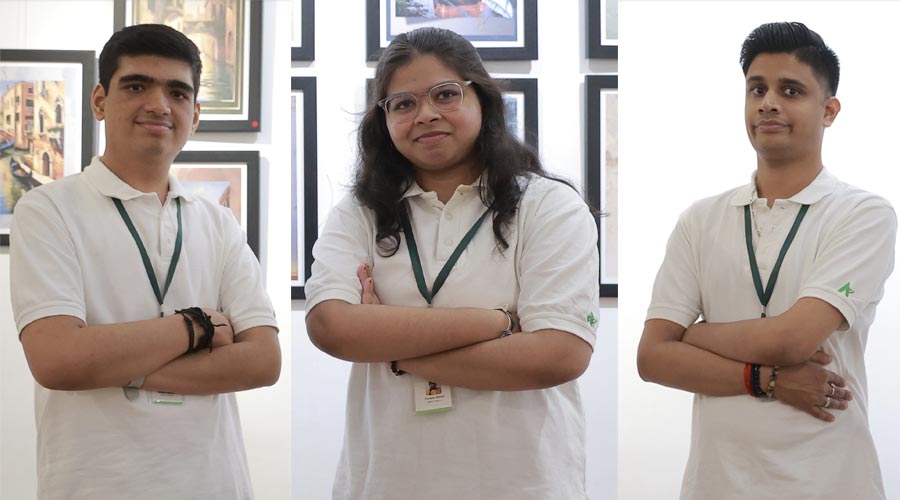 Harshil, Thrisha, and Nivedh are the designers of Atulya, all holding graduate diplomas in the Ability Enhancement Multimedia Program from AIMS Delhi and MIRRA Charitable Trust, Chennai
Along with the new products, they started their online store last year. “We know it’s going to take a few years to get it moving, since, initially, word of mouth is the best way forward for small-scale businesses like ours. We don’t offer luxury products, which have more demand. Our products aren’t things people would buy on a regular basis, so we have to organically make our way into the market. To get the ball rolling, we set up our Instagram page and a YouTube channel as well, where we post design or product tutorials, explain our processes, and the like. We hope to reach more budding designers who can potentially use our videos and learn something,” Rashmi smiles.
The brand name Atulya translates to incomparable, and their tagline is ‘Our work matters’. “Everything the kids do truly matters. I know I’m calling them kids, but really, they’re young adults between 20 and 30,” Rashmi chuckles. “Every piece they make is original; they do everything themselves. They use AI to create their designs and translate their visions into reality. Each kid has their own strength—one is great at making tutorials, one is adept at designing posters, and one is excellent at handwork. Every pop-up has a table dedicated to their handwork, solely done by the three kids. Harshil and Nivedh help Thrisha bring her ideas to fruition once she’s designed them, so it’s entirely a group effort. Atulya doesn’t just translate to incomparable, it also involves incomparable passion, designs, thought process, and inspiration.”
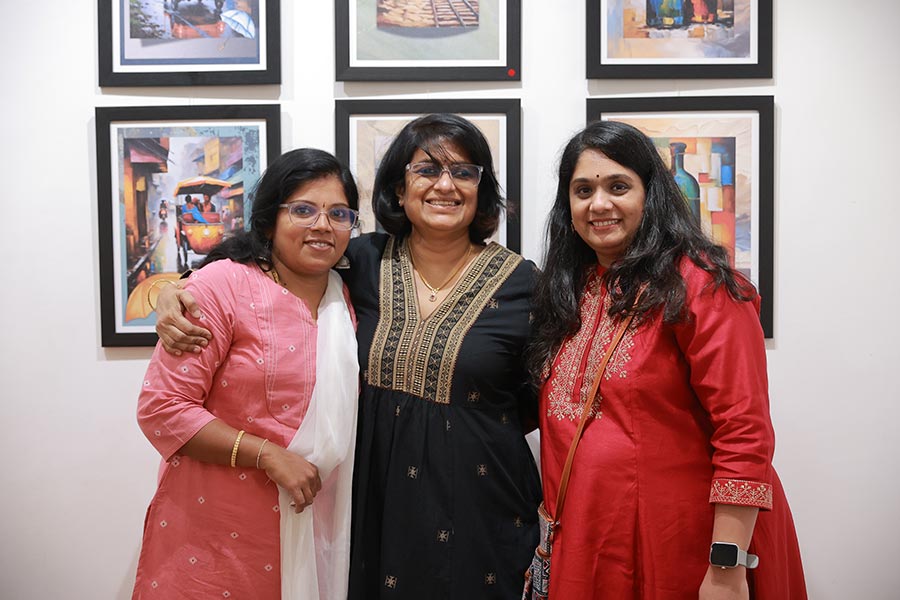 Sridevi, Rashmi, and Omana, the three mothers behind Atulya
Rashmi talks about some of the challenges the brand faces and her thoughts on the brand as a whole. “We want sales, of course, who doesn’t? But, to be very honest, I want people to buy from Atulya because they think we’re good, not because they see that the products are made by special kids. I don’t want sympathy to play any role here, and neither do the kids. They’re confident in their work and capable of taking care of themselves. The biggest challenge is making people understand that they should look at them the way they would anybody else. We don’t use a disability to sell something; we are firm on that. We don’t mask or market the fact that they’re neurodiverse, we only market their designs,” she affirms.
Recently, they had a client from Australia who wanted a digital wedding card as a video, with animated text and music. “When we hear of something like this, we tell them to give us an opportunity, and also, we don’t stop at one sample. We give you a minimum of five. This invite was a real task to complete: they wanted an embedded link where guests had to mark their RSVP, allergy, and dietary preferences, but all confidential. The kids worked day in and day out and worked on coding to make it happen; they never gave up. And they succeeded!” she says proudly.
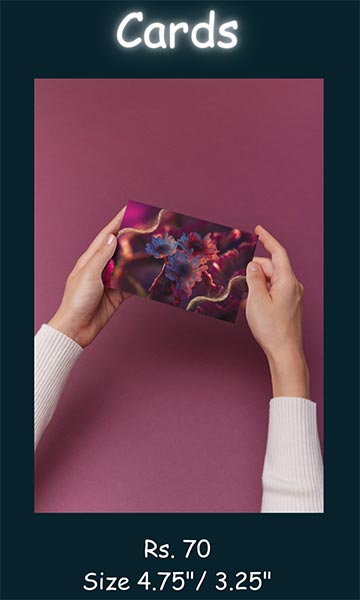
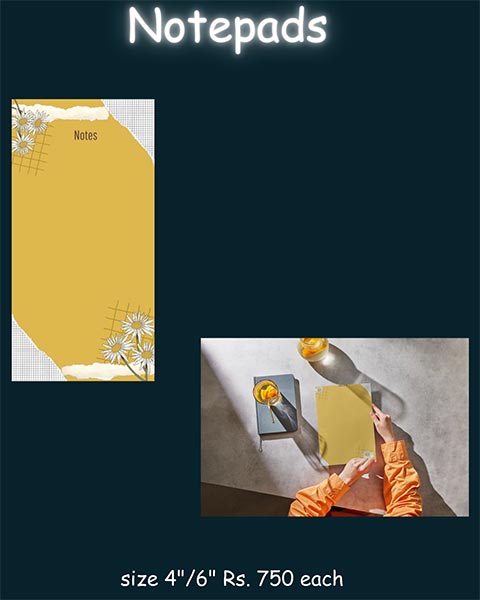
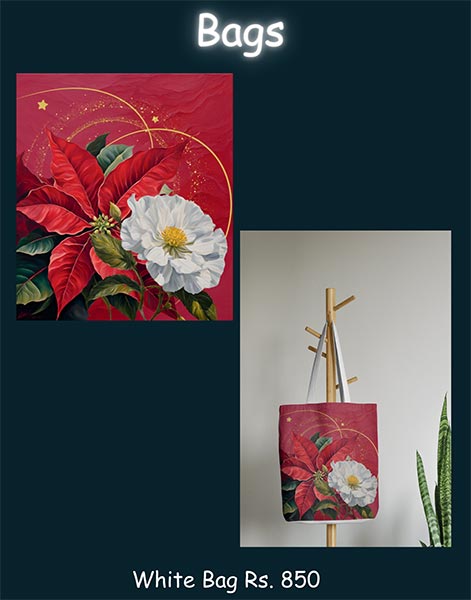
They keep minimal inventory in their office space, since most, if not all, their products are made on demand. Their current product range includes wooden tray sets, acrylic coasters, trinket boxes, tissue boxes, table mats, notebooks, letter pads, tote bags, grocery bags, cotton blankets, ceramic plates for display, canvas posters, and greeting cards.
When asked about the vision for Atulya, Rashmi says profoundly, “I don’t know how long it’ll take for this to happen, but I hope that people see us and think we have already evolved to a point where we are as capable as can be. These kids have evolved from a place where people thought they could do nothing, to making a difference for themselves.”
She mentions customer interactions that brought a smile to their faces. “A gentleman attended one of our pop-ups, and the next year, he wasn’t able to attend, so he insisted on a video call to see what we had on sale. He didn’t want to miss out on getting something from us. He wasn’t buying just for the sake of it; he bought what he truly liked. He usually buys our posters, but the best thing he does is send us photos of where he puts them up. Another woman sent us photos of her using the trays, coasters, and table mats at a luncheon that she hosted. Another gentleman visits our pop-up every year and gives us feedback on how we can improve. He was the one who helped us with AI and gave us an open offer to reach out anytime we need help. He buys a lot from us to give as gifts. These incidents are so touching, and we are immensely grateful for people’s love and support.”
Rashmi describes what she calls a ‘landmark moment’ in their journey. “We were contacted prior to the opening of the Ram Janmabhoomi temple. They wanted Rama’s full story on a calendar, and they wanted it in only two and a half weeks. Our kids persisted, and they made it happen. The calendars were designed, printed and distributed at the temple opening. What an opportunity,” she gushes.
As an offshoot, on the topic of what drives her to keep going, she explains, “Watching these kids work is beyond imagination. That’s all you need to be motivated. We had a project to design a poster; these kids whipped up 10 samples in the span of 40 minutes. The way they brainstorm, ideate, and create is incredible. We hope that more people recognise their efforts and support them in their work,” she concludes.